Table of Contents:
- Introduction to Organic Farming
- 1. Nutrient-Rich Produce for Better Health
- 2. Zero Harmful Chemical Residues
- 3. Environmental Sustainability
- Conclusion: Why Choice Matters
Introduction:
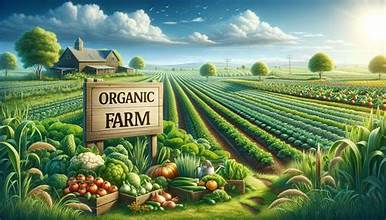
Organic farming is a natural way of growing food without using harmful chemicals, pesticides, or synthetic fertilizers. At Healthy Kitchen Nepal, we believe that the food we eat should be as pure as nature intended. Choosing organic products is the first step toward a healthier lifestyle.
1. No Harmful Chemicals
The biggest benefit of organic farming is that it keeps toxic chemicals away from your plate. Conventional farming uses pesticides that can stay on vegetables and enter your body, causing long-term health issues.
2. Better Nutrition and Taste
Organic fruits and vegetables often contain more vitamins, minerals, and antioxidants compared to chemically grown ones. Because they are grown in natural soil, they also have a richer and more authentic taste.
3. Environmental Protection

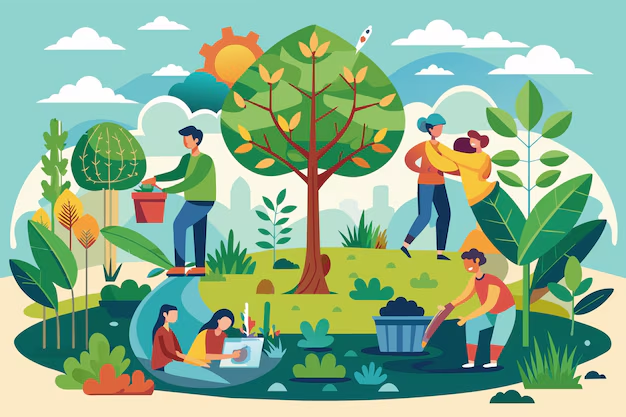
Organic farming practices help in maintaining soil fertility and reducing water pollution. It promotes a healthy ecosystem by protecting birds, bees, and soil organisms that are often killed by chemical sprays.
4. Supports Healthy Digestion
Eating chemical-free food reduces the burden on your liver and digestive system. For people suffering from issues like gastritis, shifting to an organic diet can provide significant relief.
“स्वस्थ भान्साको लागि हाम्रो [Complete Nepali Kitchen Detox Guide] पनि पढ्नुहोस्” भनेर लिङ्क राखिदिनुहोस्।
5. The Future of Organic Farming in Nepal
Nepal has a huge potential for organic farming due to its diverse climate and traditional farming methods. By shifting towards organic practices, Nepali farmers can not only improve the quality of their soil but also export high-value products to international markets. This will increase their income and provide healthier food options for the local community.
6. How to Start Your Own Organic Garden?
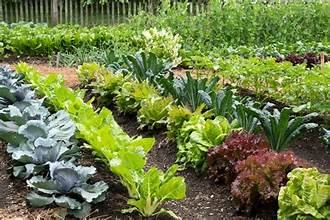
You don’t need a large farm to start organic gardening. You can begin with small pots in your kitchen or a small patch in your backyard. Use kitchen waste as natural compost and avoid any chemical sprays. This small step can lead to a chemical-free lifestyle for your entire family.
7.The Role of Organic Farming in Climate Change
Organic farming plays a vital role in fighting climate change by reducing greenhouse gas emissions. Since it avoids synthetic fertilizers and pesticides, it uses less energy and keeps the soil healthy. Healthy soil acts as a carbon sink, absorbing more carbon dioxide from the atmosphere compared to chemically treated soil.
8.Global Trends in Organic Consumption
People all around the world are becoming more health-conscious, leading to a massive increase in the demand for organic food. From Europe to North America, and now increasingly in Asia, organic markets are growing every year. Supporting organic farming means supporting a sustainable future for the planet and better health for the next generation.
9.The Economic Impact of Organic Farming
Organic farming is not only good for health but also beneficial for the economy. While it may require more manual labor, it reduces the cost of expensive chemical fertilizers and pesticides. For a country like Nepal, organic farming can be a great way to improve the livelihoods of rural farmers by producing high-quality crops that can be sold at a premium price in both local and international markets.
10.Challenges and Solutions
Transitioning to organic farming can be challenging at first, as the soil needs time to recover from years of chemical use. However, using natural compost, crop rotation, and bio-pesticides can help speed up the process. Government support and proper training for farmers are essential to make organic farming a mainstream practice in our society.
11. Combatting Climate Change (Carbon Sequestration)
Organic farming is one of the most effective tools we have to fight global warming.
- Reducing the Carbon Footprint: The production of synthetic fertilizers is energy-intensive and releases massive amounts of CO2. Organic farming eliminates this step.
- Storing Carbon: Healthy organic soil stores significantly more carbon than depleted chemical soil, acting as a “carbon sink” that helps cool the planet.
“Therefore, choosing organic products is a wise investment for a sustainable and toxic-free future for everyone.”
12. Absolute Protection from Toxic Chemical Residues
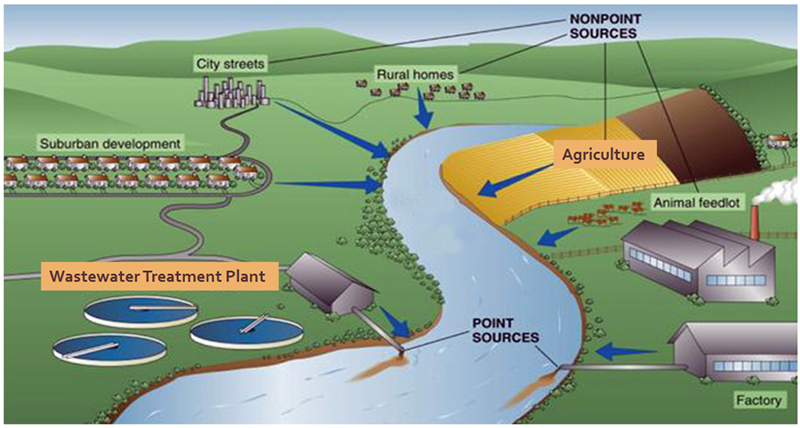
The most immediate health benefit of organic farming is the absence of synthetic pesticide residues. Conventional farming relies heavily on organophosphates and glyphosate—chemicals linked to severe health issues.
The Hidden Dangers of Pesticides:
- Neurological Impact: Long-term exposure to pesticide residues is linked to memory loss and reduced cognitive function.
- Hormonal Disruption: Many pesticides act as endocrine disruptors, affecting reproductive health.
- Carcinogenic Risks: Certain chemicals used in non-organic farming are classified as “probable carcinogens” by international health organizations.
By choosing organic, you ensure that your liver and kidneys don’t have to work overtime to detoxify these industrial poisons.
13. Restoring Soil Vitality and Biodiversity
Organic farming views soil as a living organism. Healthy soil is the foundation of healthy food.
- Microbial Life: Organic practices encourage the growth of beneficial fungi, bacteria, and earthworms. These organisms break down nutrients into a form that plants can easily absorb.
- Water Conservation: Healthy, organic soil acts like a sponge, retaining moisture much better than chemically treated soil. This reduces the need for heavy irrigation, which is crucial for farmers in regions with water scarcity.
- Protecting Pollinators: Organic farms are havens for bees and butterflies. By banning toxic sprays, we protect the very creatures responsible for pollinating over 70% of the world’s crops.
If you want to read our next post healthy food in Nepal here is
Frequently Asked Questions (FAQs)
Q1. Why is organic food more expensive?
The cost reflects the extra labor required (weeding by hand instead of spraying chemicals) and the smaller scale of production. However, consider it an “insurance policy” for your health—it’s cheaper than medical bills!
Q2. How can I be sure a product is truly organic?
Look for official certification logos (like USDA Organic, EU Organic, or local Nepali organic certifications). You can also buy directly from trusted local farmers.
Q3. Can organic farming feed the world?
Yes. Modern organic techniques, combined with crop rotation and polyculture, are proving to be highly productive and more resilient to climate change than monoculture chemical farming.
Final Thoughts: A Call to Action
Switching to an organic lifestyle is a journey, not a sprint. Start by replacing your most frequently consumed items—like rice, lentils, and daily vegetables—with organic alternatives. By supporting organic farming, you are not just buying food; you are investing in a toxic-free world for your children.
Let’s make our kitchens healthy again!
Conclusion:
Switching to organic food is a small change that makes a huge difference. By supporting organic farming, you are protecting your health and the planet. Let’s start growing and eating healthy today!