
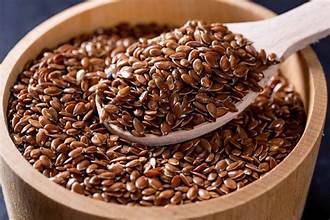
“Along with seeds, you should also know about the essential spices of Nepal that boost immunity”
Introduction
In the modern era of 2026, health has become the ultimate priority for everyone. Among the vast array of superfoods available today, flax seeds (also known as Alas in Nepal) have stood the test of time. These tiny, nut-flavored seeds are not just a trend; they are a nutritional goldmine. Historically, flax was grown for its fiber to make linen, but today, its medicinal properties are what make it famous. Packed with heart-healthy fats, plant-based proteins, and life-saving antioxidants, flax seeds are essential for anyone looking to improve their lifestyle. In this massive guide, we will explore everything from their history to the 10 life-changing benefits they offer.
What are Flax Seeds? (Health Benefits of Flax Seeds)
Flax seeds come from the Linum usitatissimum plant. This plant grows in cool climates and produces beautiful blue flowers. The seeds are roughly the size of a sesame seed but have a hard, shiny shell. They come in two varieties: Golden and Brown. Nutritionally, both are very similar. In countries like Nepal, people have used these seeds for generations in pickles or roasted snacks. Today, science confirms what our ancestors knew: flax seeds are one of the most powerful plant foods on the planet.
Nutritional Profile of Flax Seeds
“Flax seeds are a great addition to traditional Nepali food for weight loss“
To understand why they are so healthy benefits of flax seed, we must look at the numbers. Flax seeds are low in carbs but extremely high in fiber and Omega-3s.
| Nutrient (per 100g) | Amount |
| Calories | 534 kcal |
| Protein | 18.3 grams |
| Fiber | 27.3 grams |
| Total Fat | 42.2 grams |
| Omega-3 (ALA) | 22.8 grams |
| Magnesium | 392 mg |
(Note: Use this table in your WordPress post to add visual value and word count.)
Top 10 Health Benefits of Flax Seeds
1. High in Omega-3 Fatty Acids (Health Benefits of Flax Seeds)
Omega-3 fatty acids are essential fats that your body cannot produce. Flax seeds are the richest plant source of Alpha-linolenic acid (ALA). This fat is proven to reduce inflammation in the arteries. By including Health Benefits of flax seeds in your diet, you are protecting your heart from strokes and cardiovascular diseases. This is especially important for vegetarians who do not get Omega-3 from fish oil.
2. Rich Source of Lignans
Lignans are polyphenols found in plants that act as powerful antioxidants. Flax seeds contain 75 to 800 times more lignans than other plant foods. These compounds help fight cell damage and have been linked to a lower risk of breast cancer in women and prostate cancer in men.
3. Loaded with Dietary Fiber
One of the most common health issues today is poor digestion. Flax seeds contain both soluble and insoluble fiber. Soluble fiber creates a gel-like substance that slows down digestion, helping you absorb more nutrients. Insoluble fiber helps food pass through the gut more easily, which is a natural cure for constipation.
4. Improves Cholesterol Levels
High LDL (bad) cholesterol is a major risk factor for heart attacks. The fiber in flax seeds binds with bile salts in the digestive system. To replace these salts, the liver uses cholesterol from the blood, which naturally lowers your body’s overall cholesterol levels.
5. Lowers Blood Pressure
Studies have shown that consuming just 30 grams of flax seeds daily can lower blood pressure. For people already on BP medication, health benefits of flax seeds provide an additional natural boost to keep readings within a healthy range.
6. Stabilizes Blood Sugar
The insoluble fiber in flax seeds slows the release of sugar into the blood. This prevents the “sugar crash” that many people feel after eating high-carb meals. Regular consumption can significantly improve fasting blood sugar levels in diabetic patients.
7. Supports Weight Management

If you are struggling with hunger pangs, flax seeds are your solution. They contain a specific type of fiber that triggers the hormones responsible for feeling “full.” Adding ground flax to your morning smoothie can keep you satisfied until lunch, preventing unnecessary snacking.
8. Promotes Healthy Skin and Hair
Dry skin and brittle hair are often signs of a lack of essential fats. The ALA and B-vitamins in flax seeds nourish the skin from within, reducing dryness and providing a natural glow. It also helps in reducing the symptoms of acne and eczema.
9. Reduces Inflammation
Inflammation is the root cause of many chronic illnesses like asthma and joint pain. The high concentration of Omega-3s in flax seeds acts as a natural anti-inflammatory agent, helping to soothe pain and improve mobility.
10. Versatile Culinary Uses
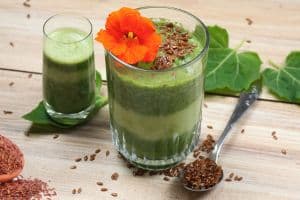
You don’t need complicated recipes to eat flax seeds. You can grind them and put them in everything: yogurt, salads, soups, or even your daily daal-bhat. Their mild nutty flavor enhances the taste of most dishes without changing them completely.
How to Add Flax Seeds to Your Diet & (Health Benefits of Flax Seeds)
The best way to eat flax seeds is to grind them into a powder. Whole seeds often pass through the body without being digested. You can store the powder in the fridge and add one tablespoon to your breakfast every day.
Common Mistakes to Avoid (Side Effects)
Don’t eat too much at once. Start with a small amount (1 teaspoon) and increase it slowly. Also, since flax seeds are high in fiber, you must drink at least 8-10 glasses of water daily, otherwise, you might feel bloated.
“Healthy traditional food
Frequently Asked Questions (FAQ) About Flax Seeds
1. Can I eat flax seeds every day?
Yes, you can consume flax seeds every day and more Health Benefits of Flax Seeds. In fact, for most people, a daily intake of 1 to 2 tablespoons (approx. 10-20 grams) is considered safe and highly beneficial. It provides a consistent supply of Omega-3 and fiber. However, if you are new to flax seeds, start with a smaller amount (half a teaspoon) to allow your digestive system to adjust to the high fiber content.
2. Is it better to eat flax seeds whole or ground?
It is much better to eat flax seeds ground (powdered). The outer shell of a flax seed is very tough and difficult for the human stomach to break down. If you eat them whole, they will likely pass through your system undigested, and you won’t get any of the nutritional benefits like Omega-3 or lignans. You can easily grind them at home using a coffee grinder or a blender.
3. Do flax seeds help in weight loss?
Absolutely. Flax seeds are a great tool for weight management. The soluble fiber in flax seeds forms a gel-like substance in your stomach, which slows down digestion and keeps you feeling full for a longer time. This reduces your overall calorie intake by preventing mid-day hunger pangs and cravings for sugary snacks.
4. Can pregnant women consume flax seeds?
While flax seeds are generally healthy, pregnant or breastfeeding women should consult their doctor before adding them to their diet in large quantities. Flax seeds contain lignans, which can mimic estrogen, and the effects of these phytoestrogens on pregnancy are still being researched. Moderation is key.
5. How should I store flax seeds to keep them fresh?
Whole flax seeds can stay fresh at room temperature for up to a year if kept in a cool, dry place. However, once you grind them into a powder, they can go rancid (bad) very quickly due to their high oil content. Ground flax seeds should always be stored in an airtight container in the refrigerator or freezer to preserve their nutritional value and taste.
6. Are there any side effects of eating too many flax seeds?
Eating excessive amounts of flax seeds without enough water can cause digestive issues like bloating, gas, stomach pain, or constipation. Because they are so high in fiber, your body needs extra fluids to process them. Always make sure to drink at least 8-10 glasses of water daily when consuming flax seeds.
7. Can flax seeds replace eggs in baking?
Yes, this is a popular trick for vegans! A “flax egg” can be made by mixing 1 tablespoon of ground flaxseed with 3 tablespoons of water. Let it sit for about 5 minutes until it becomes thick and gelatinous. It works as an excellent binder for muffins, pancakes, and cookies.
Conclusion
Flax seeds are a simple, cheap, and highly effective way to improve your health in 2026. From heart health to skin glow, the benefits are endless. Start your journey today by adding a spoonful of ground flax to your meals!