Introduction: Healthy Eating in Nepal
Nepal is a dream destination for many, offering everything from the tropical jungles of Chitwan to the icy peaks of the Himalayas. However, traveling in a developing country like Nepal brings unique challenges, especially concerning food and water hygiene. This Guide to Healthy Eating While Traveling in Nepal is designed to provide you with expert tips on maintaining your health, energy, and enthusiasm throughout your journey. Staying healthy on the road is not just about avoiding illness; it is about fueling your body with the right nutrients to enjoy every trek and cultural tour.
1. The Nutritional Goldmine: Dal Bhat Power
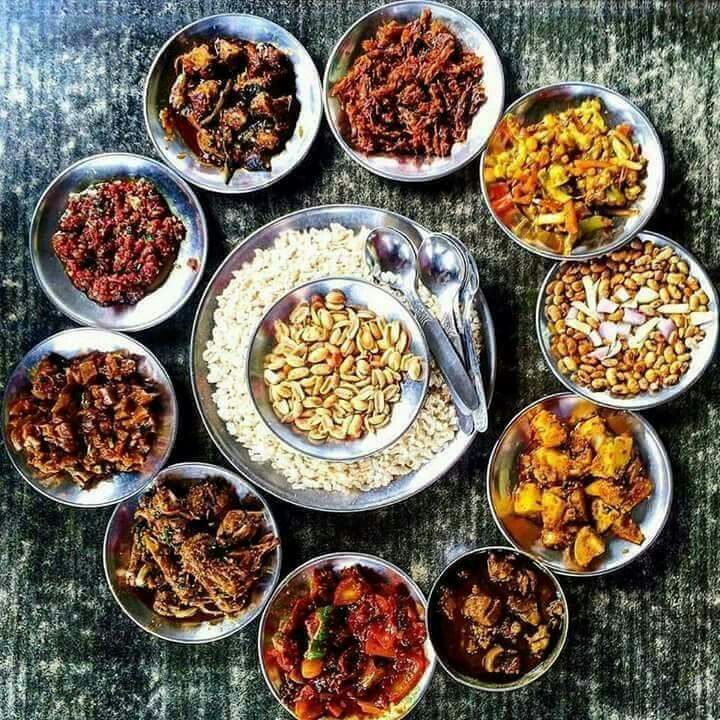
In Nepal, “Dal Bhat Power, 24 Hour” is more than just a catchy slogan for t-shirts—it is a lifestyle.
- Complete Protein: The combination of lentils (Dal) and rice (Bhat) creates a complete amino acid profile, which is essential for muscle recovery after a long day of walking.
- Vitamin Rich Tarkari: The vegetable curry (Tarkari) served with Dal Bhat often includes seasonal greens, cauliflower, and potatoes, providing necessary vitamins and minerals.
- The Safety Factor: Because Dal Bhat is the staple food, it is cooked in high volumes and served piping hot, making it one of the safest meals you can eat in local teahouses.
2. Mastering Water Safety and Hydration

Water-borne diseases are the most common health issue for travelers in Nepal.
- Strictly No Tap Water: Never drink tap water or use it to brush your teeth in urban areas like Kathmandu or Pokhara.
- Purification Methods: While bottled water is widely available, using a UV purifier (like a Steripen) or chlorine/iodine tablets is more eco-friendly and ensures you always have a safe supply.
- Hydration Strategy: When trekking at high altitudes, your body loses moisture faster through respiration. Aim to drink 4 liters of purified water daily to help prevent Acute Mountain Sickness (AMS).
3. Exploring Traditional Nepali Superfoods
Your Guide to Healthy Eating While Traveling in Nepal would be incomplete without trying these nutrient-dense local foods:
- Dhido (The Buckwheat Powerhouse): Often eaten in hilly regions, Dhido is made by boiling buckwheat or millet flour in water. It is gluten-free, low-glycemic, and provides sustained energy for trekkers.
- Gundruk (Probiotic Boost): This fermented leafy green is a staple in Nepali households. It is rich in probiotics, which help maintain a healthy gut microbiome during your travels.
- Juju Dhau (The King of Yogurts): If you are in Bhaktapur, try this thick, creamy yogurt. It is a natural digestive aid and a delicious source of calcium.
4. Safe Fruit Consumption in Nepal
Nepal’s diverse climate allows for a wide variety of Healthy Fruits in Nepal.
- The “Peel It” Rule: Stick to fruits that come in their own protective packaging, such as bananas, oranges, and pomegranates.
- Apples of the North: If you are traveling through Mustang or Solu-Khumbu, the local apples are world-class. Just ensure they are washed with purified water before eating.
5. High Altitude Eating: The Vegetarian Advantage
As you ascend above 3,000 meters, your body changes how it processes food. Healthy Eating in Nepal
- Avoid Meat Above the Tree Line: In many remote trekking regions, meat is carried up by porters for several days without refrigeration. To avoid food poisoning, many experienced guides recommend staying vegetarian during the trek.
- Garlic Soup: A local favorite for altitude. Garlic is believed to help thin the blood and improve circulation, making it easier for your body to cope with lower oxygen levels.
- Complex Carbohydrates: Focus on oats, porridge, and potatoes. These are easier for your body to break down when oxygen is scarce.
6. Navigating Street Food Safely
Street food is a major part of the Kathmandu experience, but it requires caution.
- Watch the Cooking Process: Only eat street food that is fried or boiled right in front of you. Hot Sel-Roti (rice donuts) or roasted corn (Makaai) are generally safe. Healthy Eating in Nepal
- Avoid Raw Garnishes: Many dishes are topped with raw onions, cilantro, or lime. If you are unsure about the water used to wash them, it is best to ask for the dish without garnishes.
7. Snacks for the Road

Long bus rides in Nepal can take 8 to 12 hours. Prepare your own “Healthy Travel Kit”: Healthy Eating in Nepal
- Dry Fruits and Nuts: Almonds, walnuts, and dried figs are lightweight and provide healthy fats.
- Puffed Rice (Bhuja): A light, low-calorie snack available in every local grocery store.
- Energy Bars: While you can buy them in Pokhara or Kathmandu, they are expensive in the mountains, so stock up early.
8. Conclusion: Eating for the Journey
A successful trip to Nepal requires a balance of adventure and caution. By prioritizing freshly cooked meals, ensuring water purity, and embracing local superfoods like Dhido and Dal Bhat, you can keep your body strong for the challenges ahead. We hope this Guide to Healthy Eating While Traveling in Nepal helps you have a safe and delicious adventure!
Embracing a Healthy Journey Maintaining Healthy Eating While Traveling in Nepal is not just about avoiding sick days; it is about respecting your body while you explore the majestic landscapes of the Himalayas. By choosing local, nutrient-dense foods like Dal Bhat and seasonal fruits, you ensure that your energy levels remain high for every trek.
Remember to always listen to your body and prioritize hygiene, especially with drinking water. Nepal offers a wealth of organic and traditional foods that are both delicious and medicinal. We hope this guide helps you enjoy a safe, vibrant, and healthy adventure in the heart of the mountains.
For more health tips and recipes, visit our Home Page or check out more about Nepalese Cuisine on Wikipedia.
“For more nutrition advice, read our previous post on Healthy Fruits in Nepal.“